Junior School: Class I to III
Classes I to III. English, Bengali and Mathematics, learned at a child's own pace, with library lessons for every level.

The Junior stage at a glance
- Classes
- Class I, Class II and Class III
- How children join
- A written test in English, Bengali and MathematicsThen an interview with the Principal
- Uniform
- CompulsoryAs in every class from KG I
- Who looks after the stage
- Mrs Sharmin HoqueVice Principal, Playgroup to Class V
A strong start in English, at a child's own pace.
The school says children in Classes I to III are never put under pressure. They learn at their own pace, and build good behaviour, ways of speaking with other people and social manners as they go.
English comes first, and the school treats it as the way into every other subject: Mathematics, Science, Bengali and the rest. What children learn in these three classes prepares them for the next stage.
- English
- The foundation of the Junior curriculum, taught as the key to learning in every other subject.
- Mathematics
- Fundamental and logical ideas, beginning with addition and subtraction taught with visual aids.
- Bengali
- Reading, writing and recitation, which build a child's ability to communicate and an awareness of culture.
Built across these three classes
Reading has a lesson of its own.
What changes at this stage
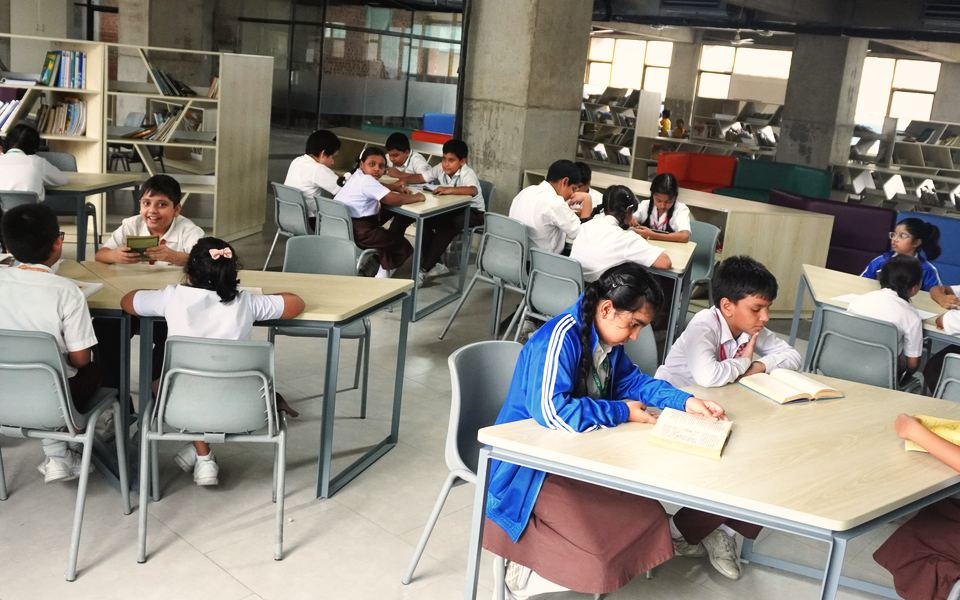
Library classes run for every level of the school, and a Librarian looks after them.
The school encourages children to read books, magazines, periodicals and newspapers from the library, to improve both their English and their ideas. The library was modernised for the new campus, and the school bookshop is beside it.
Read on

How progress reaches you.
The school year has two semesters, and a written examination ends each of them. The school uses a range of assessment tools alongside the formal papers and issues Progress Reports. To be considered for promotion, a student must reach the passing marks in the core subjects; the school states this rule for its Junior and Senior sections. Examinations and reporting has the whole year.
What you see in the portal
- Class tests, class work markings and homework
- Report cards
- Attendance and punctuality
The people to ask.
Vice Principal
Mrs Sharmin Hoque
Playgroup to Class V
Teacher-in-Charge
Mrs Farida Yasmin
KG II to Class I
Teacher-in-Charge
Mrs Qamar Sultana Hamid
Class II to Class III
The lines for this stage
- Class I01755 689 482
- Classes II and III01755 515 893
Lines are open 9.00 am to 1.00 pm.
Call, sit the test, hear.
- 01
Call or visit.
Call the line for your child's class, listed above, or come and see the building. The school accepts applications for the current year if there is space, and space changes by class and by year, so call first.
- 02
Sit the written test.
The child sits a written test in English, Bengali and Mathematics.
- 03
Interview and result.
The Principal and the parents meet for an interview. The result comes by telephone.
Questions parents ask.
How is progress measured in Classes I to III?
The school year has two semesters, and a written examination ends each of them. The school uses a range of assessment tools alongside the formal papers and issues Progress Reports. To be considered for promotion, students must reach set passing marks in the core subjects. Examinations and reporting has the whole year.
How can I follow my child's progress during the year?
Through the school's parent and student portal, which shows academic performance, class tests, class work markings, homework, report cards, attendance and punctuality. Portalcurrent site (opens in a new tab)
What happens if my child loses a library book?
The Librarian tells parents through the class teacher when a book has not been returned. If the book still cannot be returned after a set period, the parent replaces it with a similar copy or pays its cost.
Admissions
Visit the Junior classrooms.
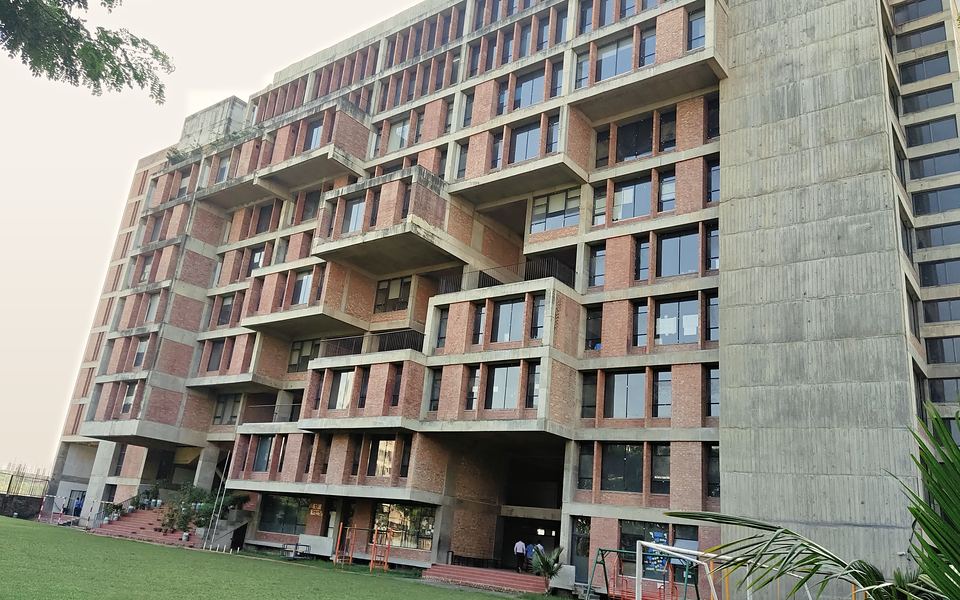
Call the line for your child's class first; the office confirms the day. Ask to see Classes I to III.